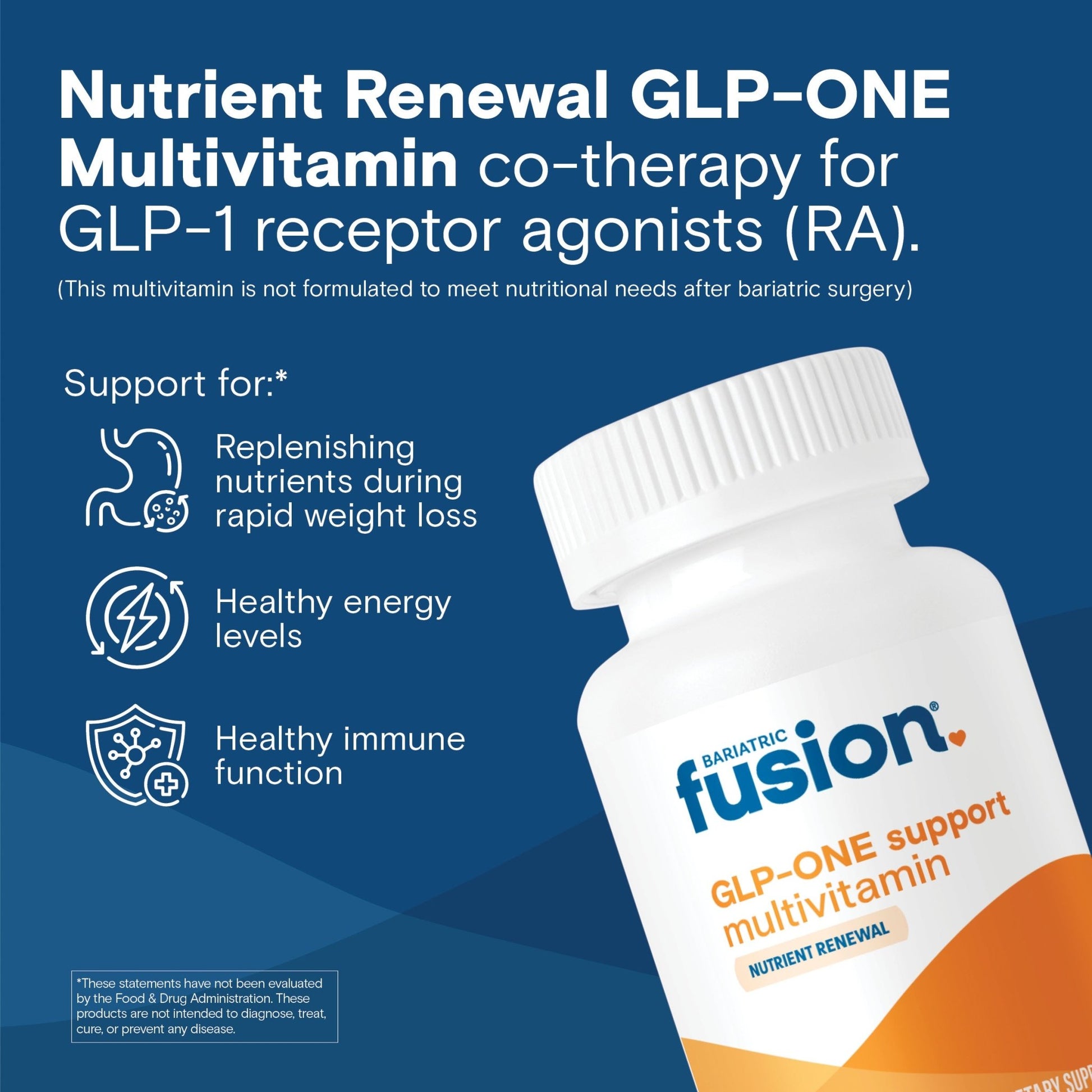
It is a non-peptide small-molecule GLP-1 receptor agonist
Assuming a preferential central action of GLP1/E, we conducted label-free, quantitative proteomic analyses in the hypothalamus of the two models of PCOS, after chronic treatment with the di-agonist, as a means to disclose putative pathways for the metabolic actions of the di-agonist, and the basis for the partially differential responses between the two models of PCOS, which diverge also in terms of phenotypic presentation
The insulin resistance paradox This is the primary safety concern, and it deserves detailed explanation
Owing to its unique structure and mode of action, SS-31 demonstrates potential therapeutic value across cardiovascular diseases, neurodegenerative disorders, kidney injury, and myopathies associated with mitochondrial dysfunction 1-6 .
Side effects that return briefly with each dose increase are expected
Endocrine 84 , 822835 (2024)