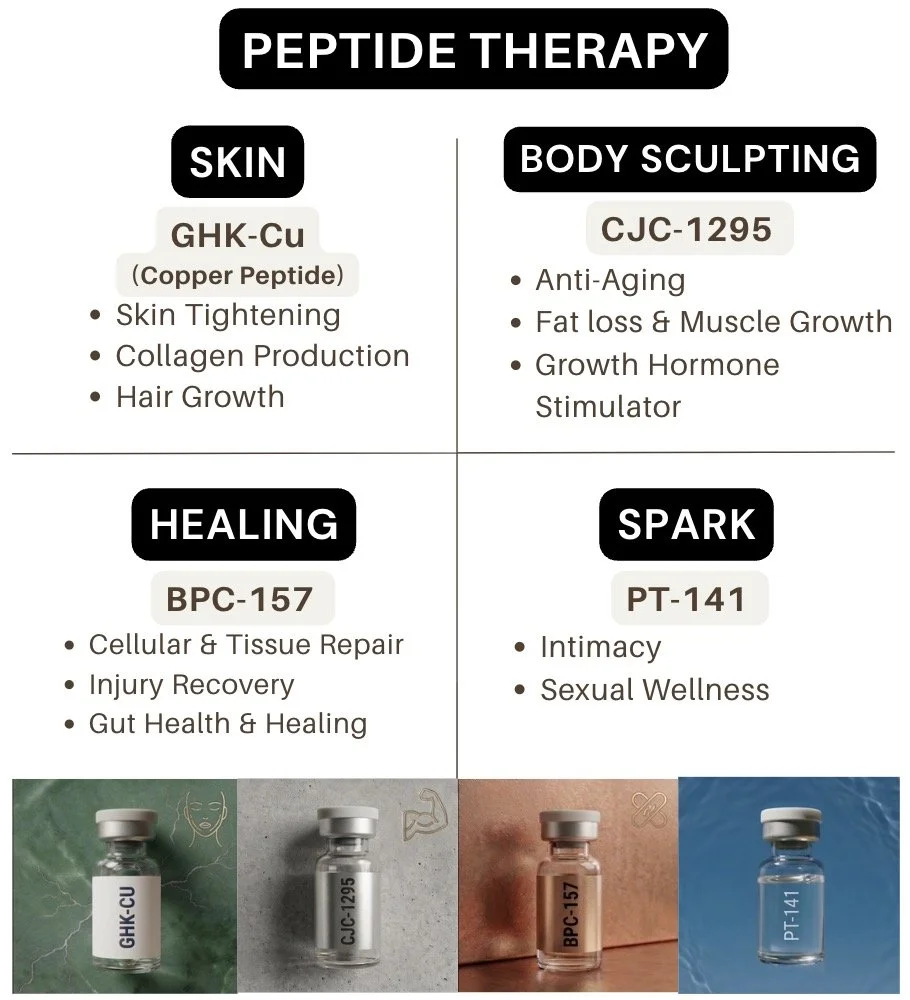
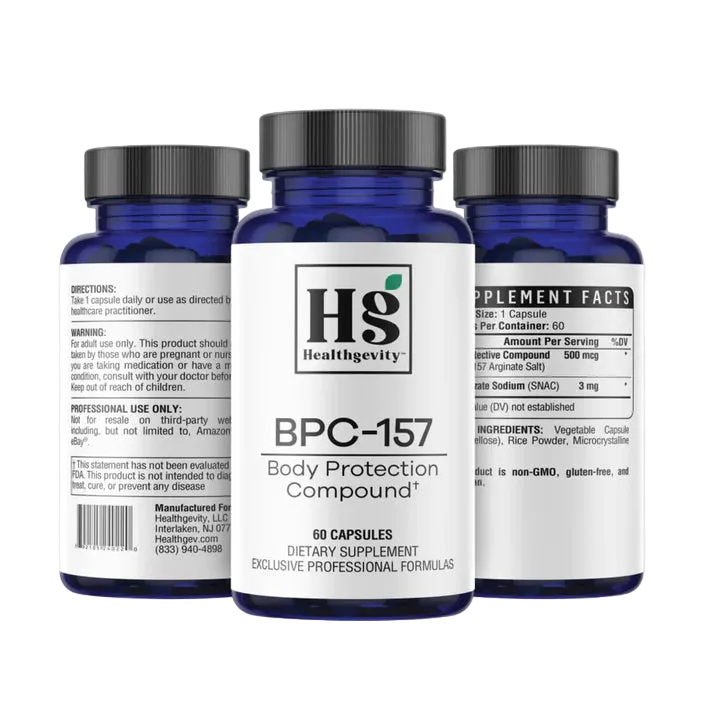
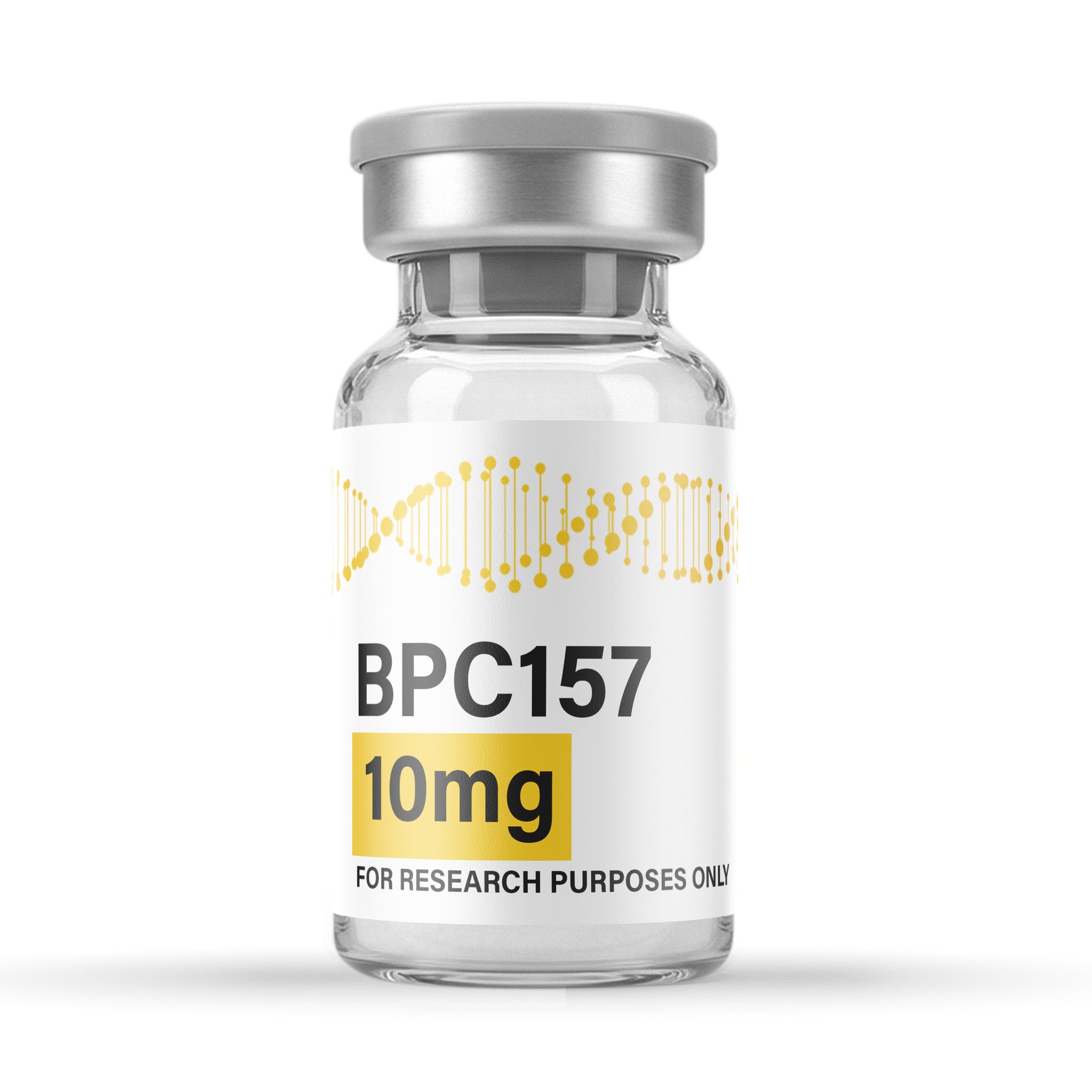
How to choose between GHK-Cu and BPC-157 for a study The choice comes down to the research question, not to a general ranking: Choose GHK-Cu when the research focus is: Skin research (topical wound healing, barrier function, aging) Hair and follicle research Fibroblast and collagen-synthesis mechanisms Copper-dependent enzymatic processes Longevity model work centered on ECM Topical delivery research Choose BPC-157 when the research focus is: Musculoskeletal injury repair (tendon, ligament, muscle) Gastrointestinal repair and inflammation Angiogenesis or vascular-function research Nitric oxide pathway modulation Consider both (in separate study arms) when: The research is a comparative repair-mechanism study The research is mapping the boundary between ECM-driven and angiogenesis-driven repair The research program has the capacity for multi-arm design Combination research what the literature shows For researchers interested in combination-peptide research, TB-500 + BPC-157 is a more mechanistically motivated pairing than GHK-Cu + BPC-157, because TB-500 operates through actin-cytoskeleton and cell-migration pathways that complement BPC-157s angiogenic activity in a way that GHK-Cus ECM remodeling activity does not as directly

P.de Assis BatistaF.Al-dahmaniZ
Biotikon does not use silicon dioxide or silicic acid (SiO 2 , known as E551) as a flow aid
Mar Pollut Bull
L-carnitine accomplishes this by binding to acyl residues produced not only from fatty acids but also from amino acid metabolism, forming water-soluble acylcarnitines that facilitate their excretion from cells and ultimately the body (Figure 1) (19, 20)
5-HETE, 5-hydroxyeicosatetraenoic acid

02105-1/asset/8468e457-0c7f-4e4c-9b6d-2202dbefa9cb/main.assets/gr1_lrg.jpg)