In: Lang NP, Lindhe J, editors
Free Radic Biol Med 44 , 723738, doi: 10.1016/j.freeradbiomed.2007.11.004 (2008)
National COVID Cohort Collaborative (N3C)
GHK-Cu also appears to possess analgesic, or anti-pain, effects

Cruciferous Vegetables List There are more than 3,000 cruciferous species, with the most common vegetables including: Broccoli Cauliflower Kale Brussel sprouts Cabbage Arugula Chard Collard greens Mustard greens Radish Rutabaga Turnip Wasabi Watercress Kohlrabi Daikon radish Horseradish Rapini (broccoli rabe) Nutrition Cruciferous vegetables vary in their exact nutritional profiles, but many of them are excellent sources of vitamins and minerals, including: Also, cruciferous vegetables can be sources of: Glucosinolates, which are sulfur-containing chemicals that can give these veggies a bitter taste and strong smell Carotenoids, such as beta-carotene, which give the vegetables deep colors and have antioxidant powers (the ability to protect cells from damage) Omega-3 fats, found in leafy greens such as kale, which help fight inflammation Nutrients per serving Here's some of the nutrition you'll find in several common cruciferous vegetables

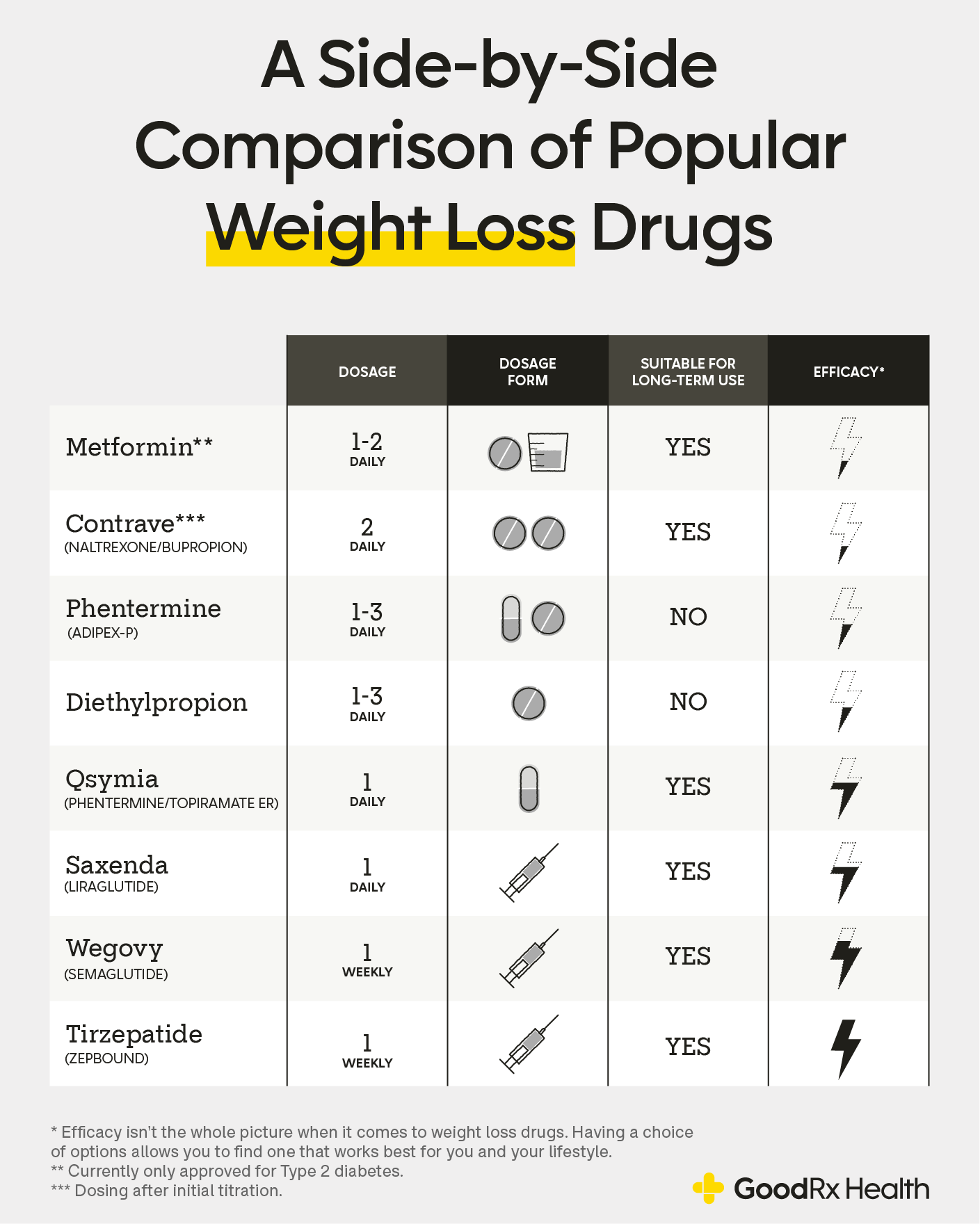
Lipotropic and metabolic support injections may be a good fit if you are looking for additional support with energy, metabolism, nutrient optimization, or your weight management journey









.jpg)