Short chain fatty acids prevent high-fat-diet-induced obesity in mice by regulating G protein-coupled receptors and gut microbiota
Visual signs of degradation Injectable GHK-Cu changes: Clear to cloudy (bacterial growth or precipitation) Color change (bluish, greenish tint from copper oxidation) Particles floating in solution Separation or settling Topical serum changes: Darker color (oxidation) Layer separation Texture changes (thicker or thinner) Crystallization Powder changes: Color darkening Clumping (moisture absorption) Greenish or bluish tint Loss of fine powder consistency Smell and texture changes Off odors: Metallic smell intensifying (some metallic odor is normal for copper peptides) Sour or rancid smell (bacterial contamination or lipid oxidation in serums) Any unusual smell different from when first opened Texture issues: Serum becoming grainy Unusual thickness or thinning Sticky residue Separation that doesn't re-mix Effectiveness loss Signs of reduced potency: Reduced healing speed (injectable) Less visible skin improvement (topical) Need to use more product for same effect Complete lack of expected results When in doubt: Discard and get fresh product
It remains stable at room temperature for consistent, reliable research use
He has been microdosing peptides since 2018
Ascorbic Acid, Magnesium Sulfate, Calcium Gluconate, Thiamine, Riboflavin, Pyridoxine, Panthenol, Niacinamide & Methylcobalamin
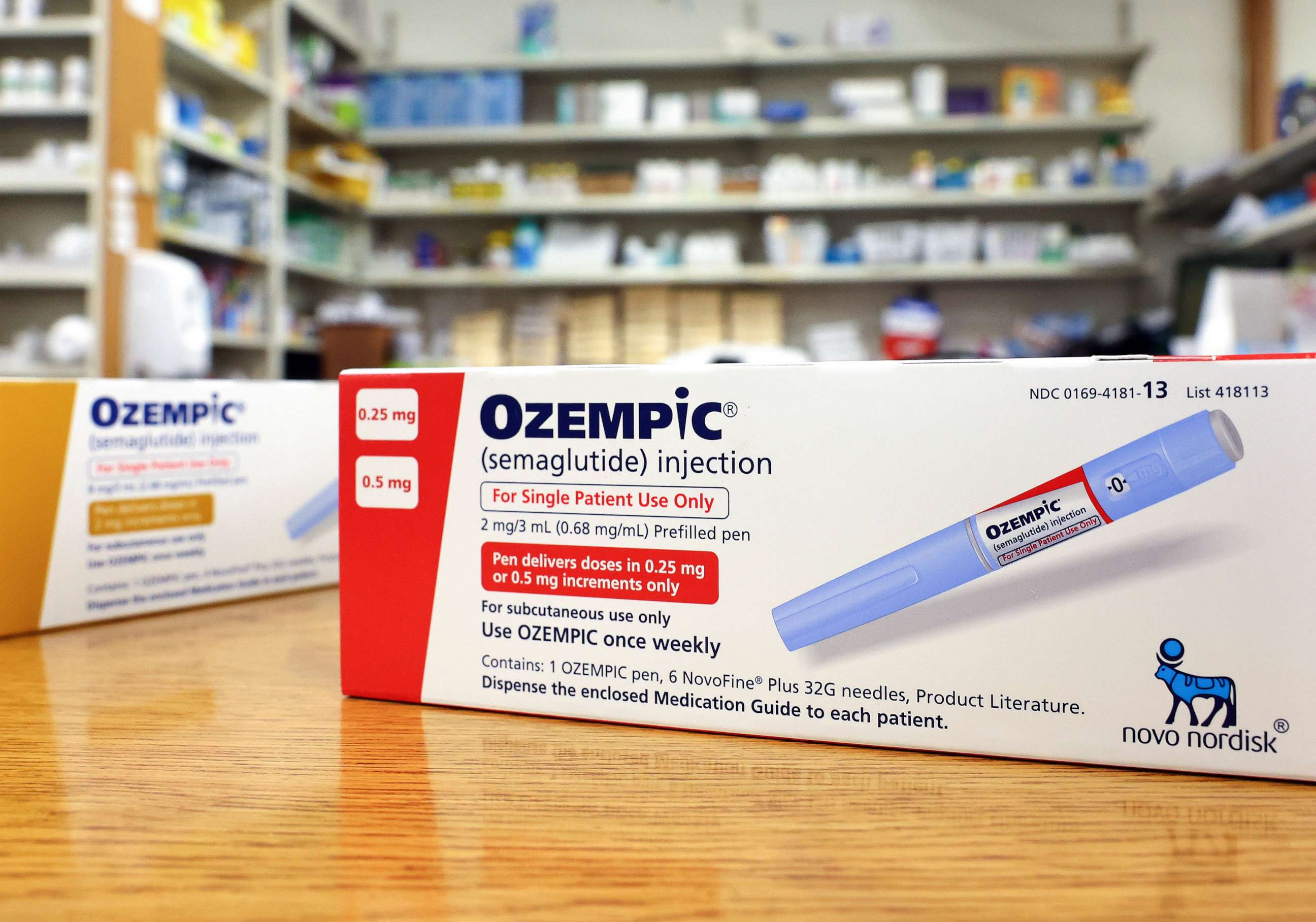
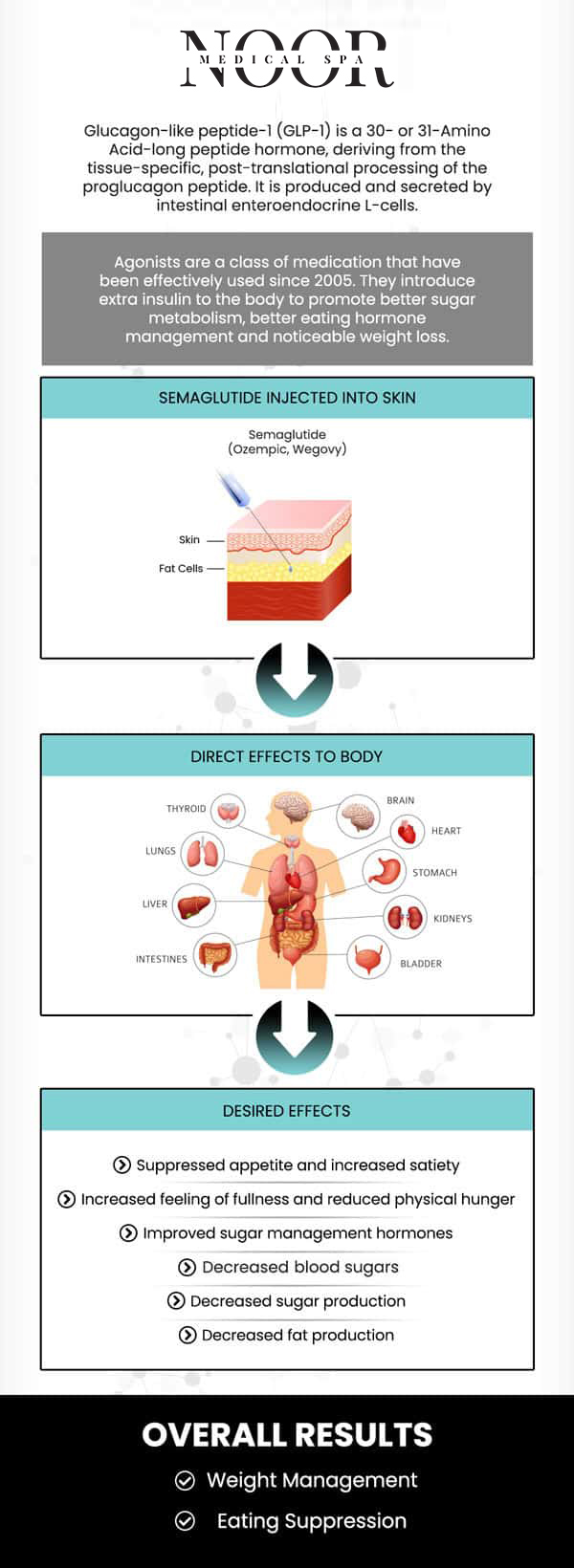
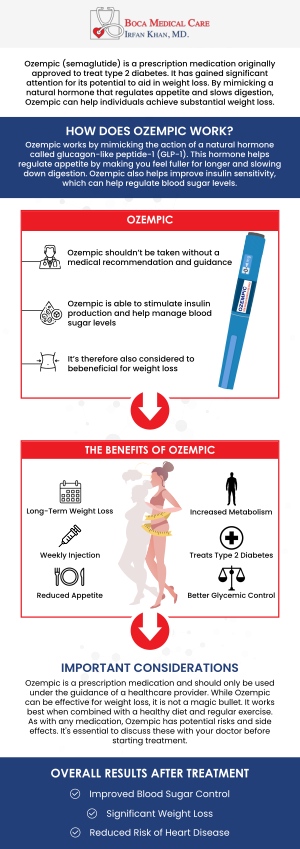
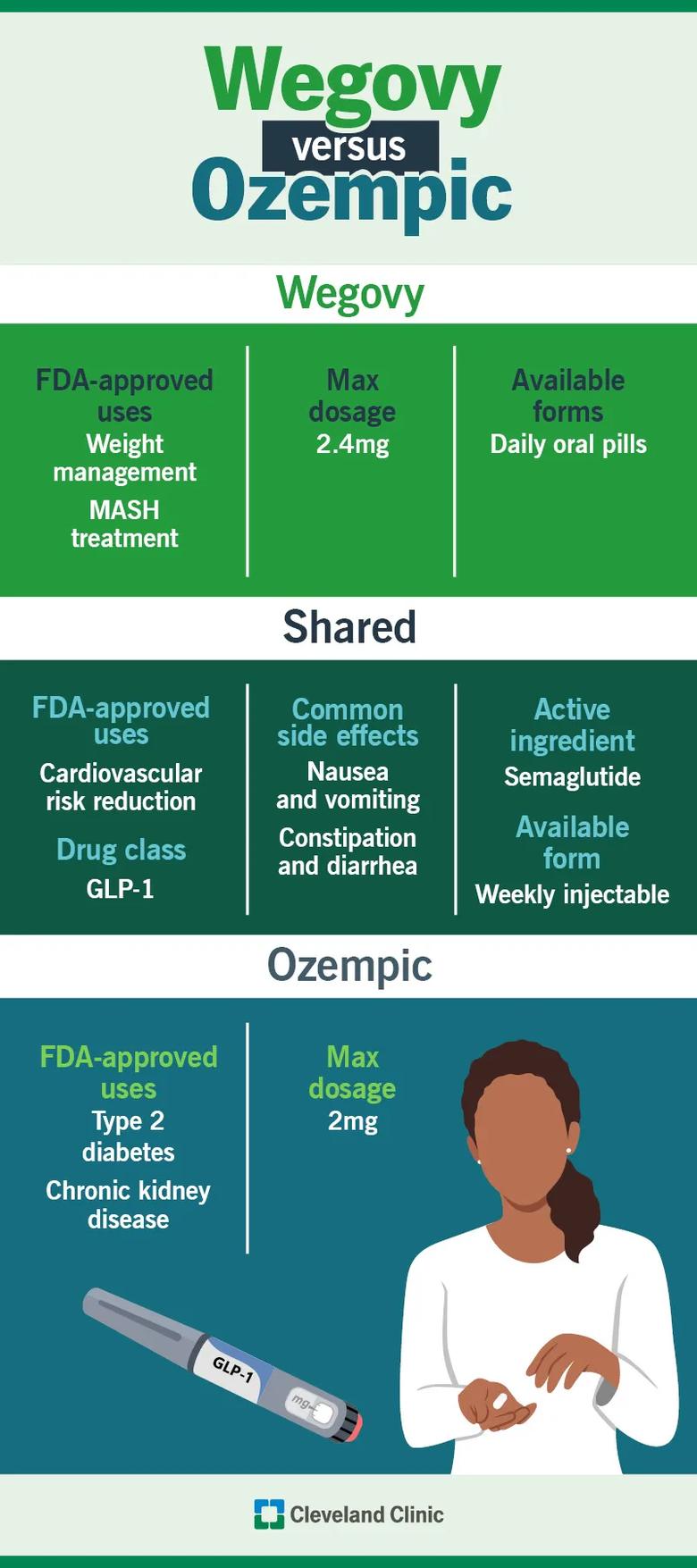
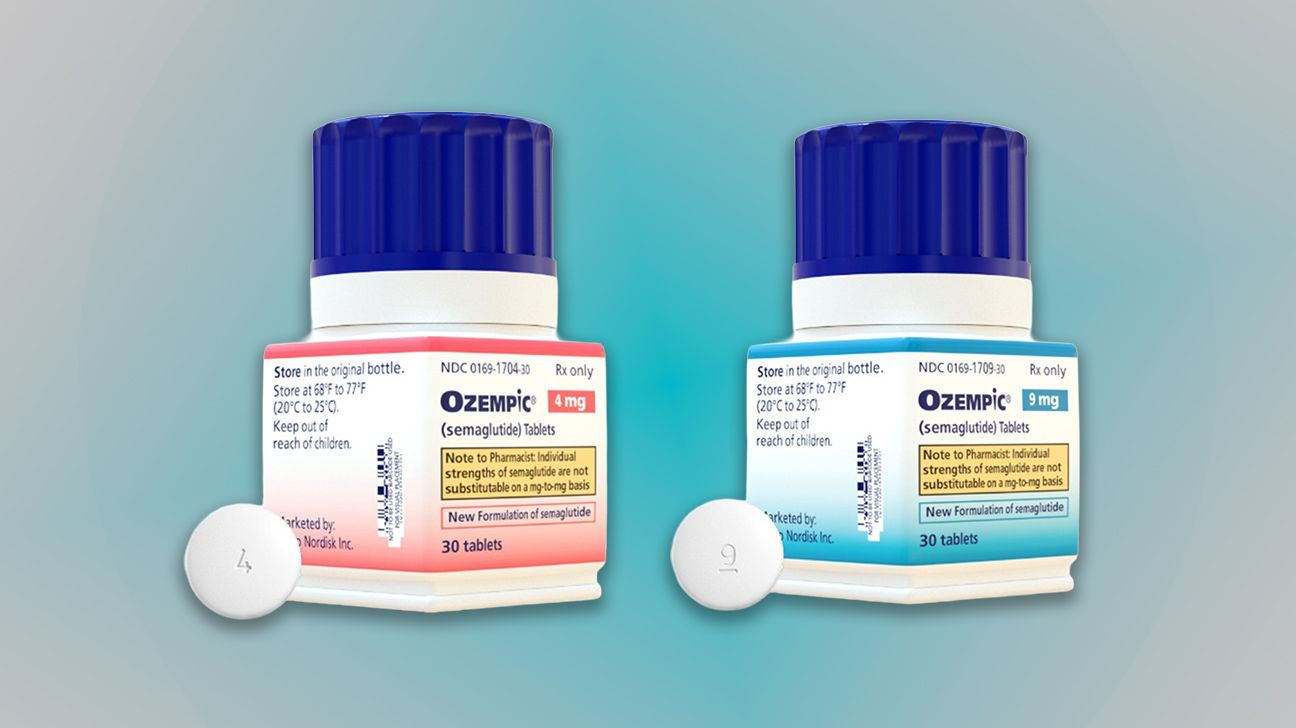
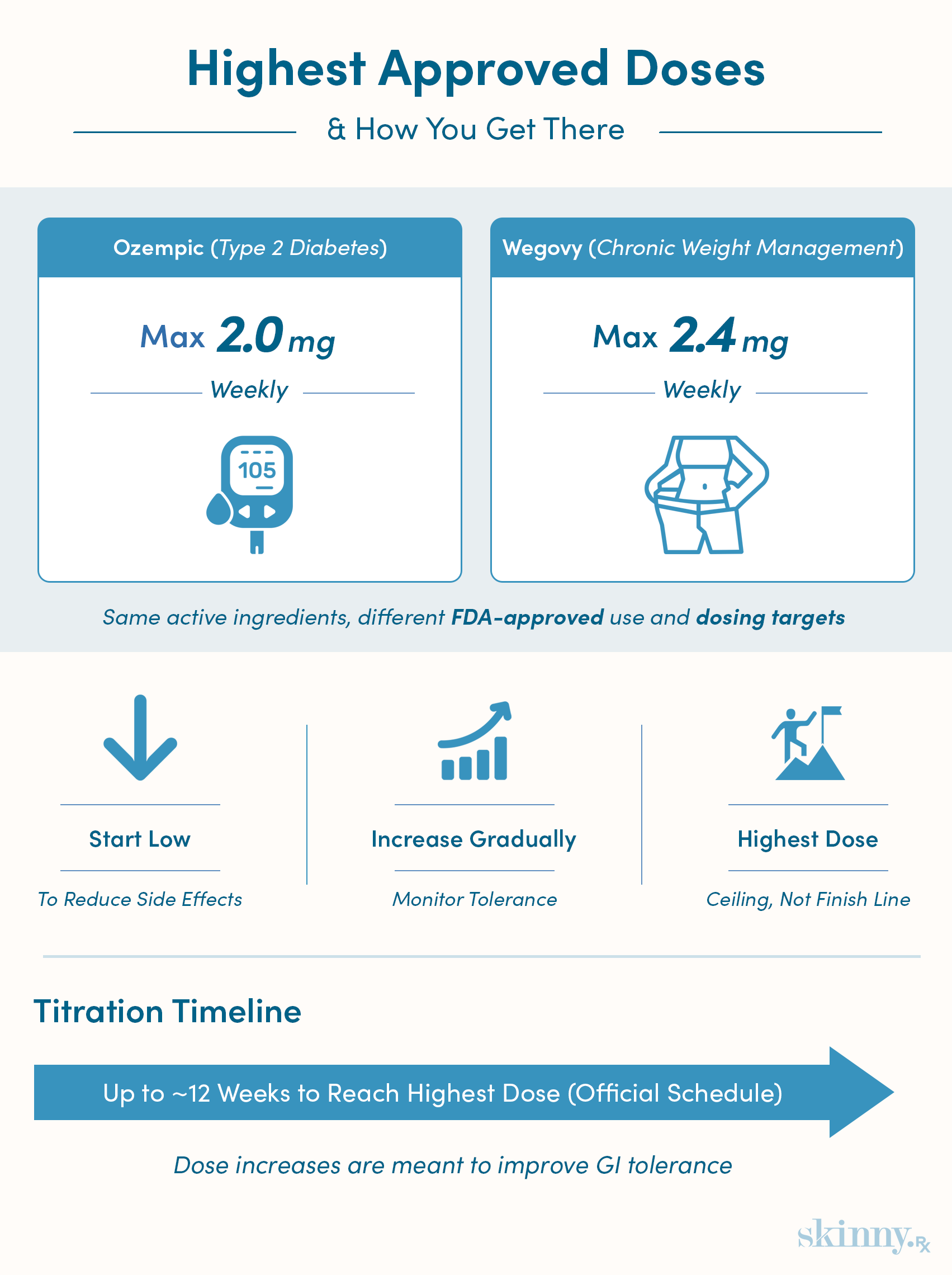
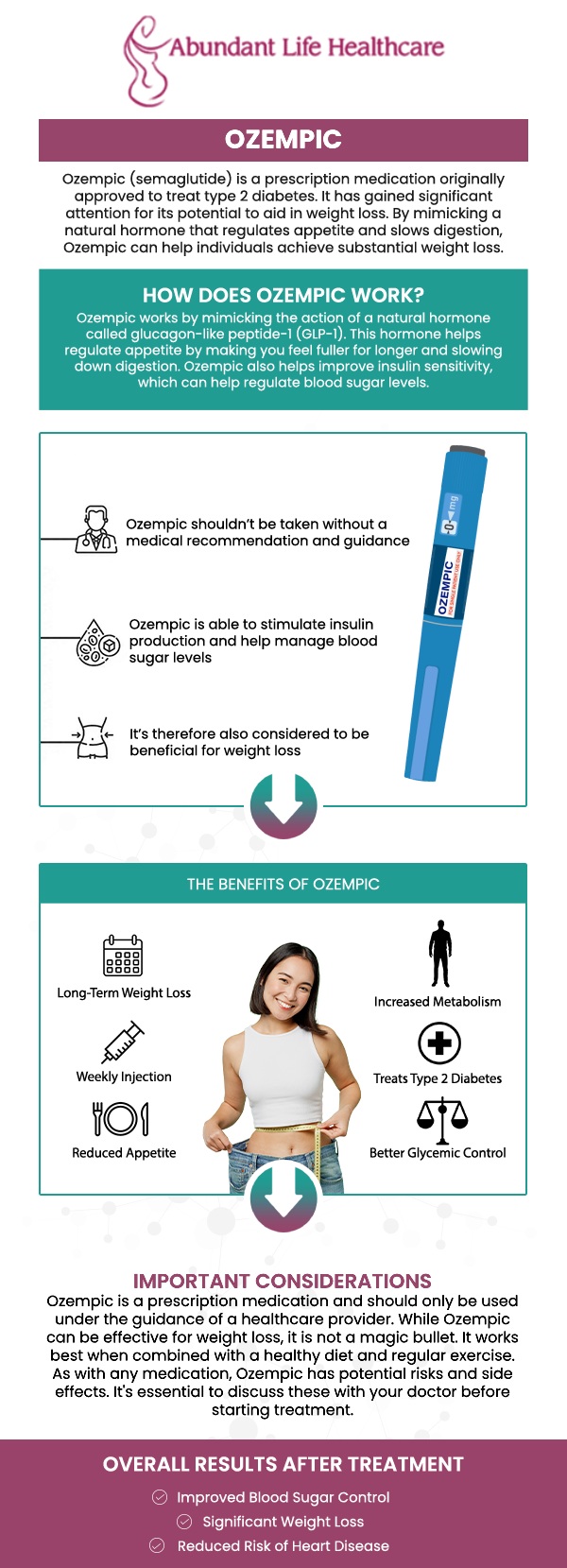
FDA-approved GLP-1 receptor agonists include semaglutide (Wegovy, Ozempic), tirzepatide (Mounjaro, Zepbound), liraglutide (Saxenda, Victoza), dulaglutide (Trulicity), and exenatide (Byetta, Bydureon)
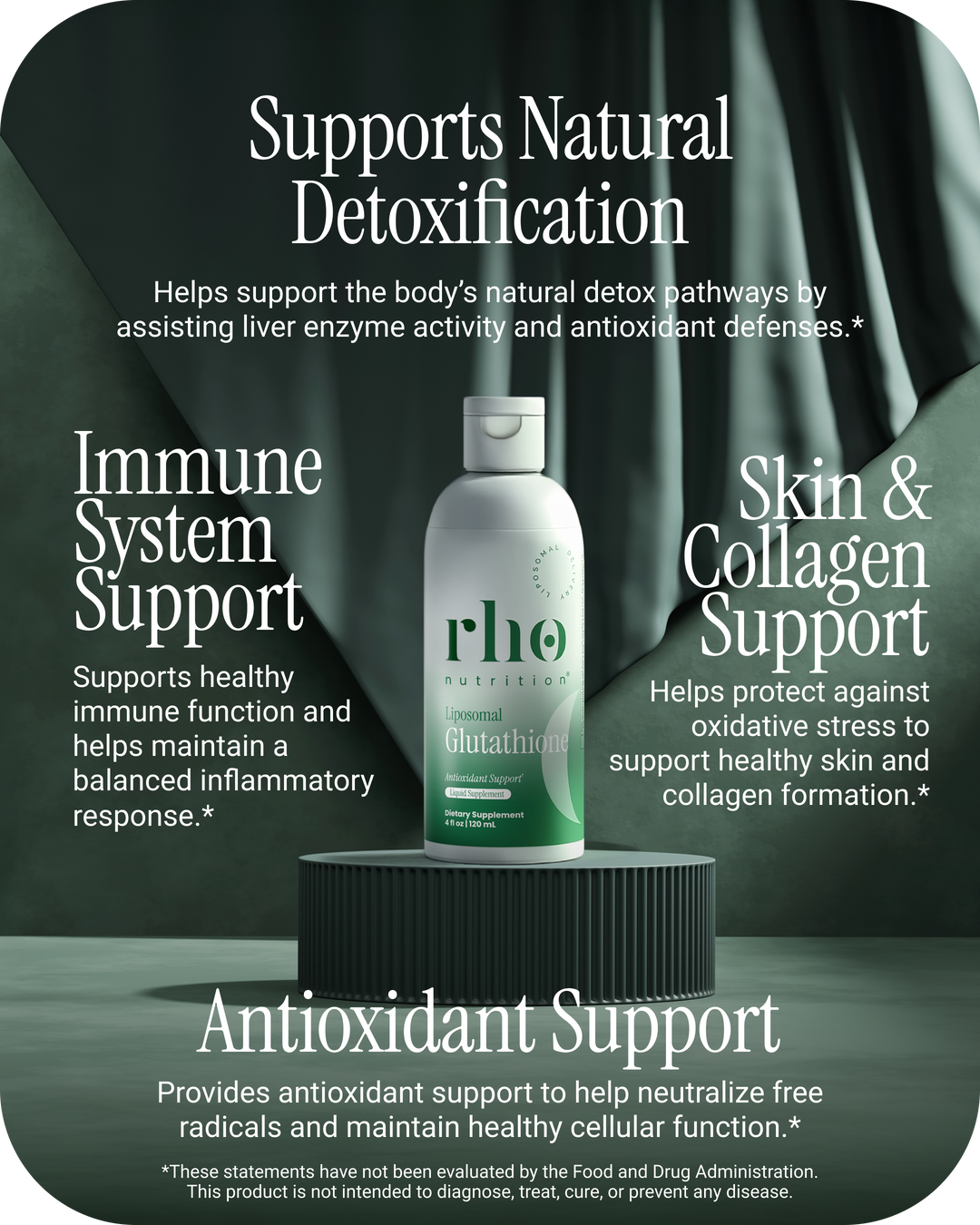













![Numbuzin No. 5+ Vitamin Glutathione Dark Spot Laser Cream [50ml]](https://saranghae.ch/cdn/shop/files/numbuzin_No.5VitaminGlutathioneDarkSpotLaserCream_50ml_5.webp?v=1748287911&width=1500)


