In animal and preliminary human studies, BPC 157 showed the ability to: Accelerate regeneration of muscles, tendons, and ligaments Support brain and nervous system function Influence the lining of the gut Reduce inflammation markers Support sleep quality Enhance mood and mental clarity Promote blood vessel formation in injured tissues Support bone density and connective tissue integrity All of this from something born in the stomach
SPF 20 provides daily UV protection
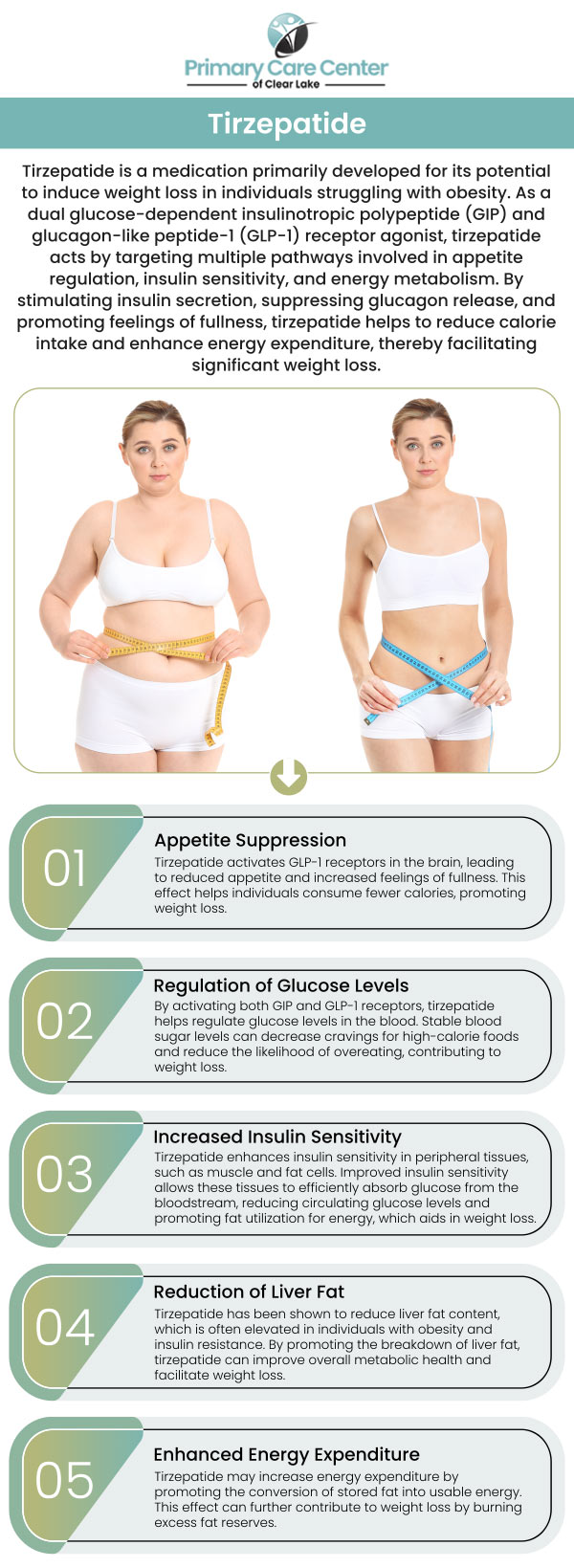
What Results Can Patients Expect From Medical Weight Loss
Hepatic cyp1a inductionin 3-methylcholanthrene-treated transgenic rats with insufficient blood growth hormone
Learn More Brain Power your hardworking brain cells with increased cellular energy

Common Types of Modifications Fatty acid conjugation Used to extend half-life by enhancing albumin binding (common in long-acting GLP-1 analogs) Oxidation (e.g., Methionine oxidation) Can occur during manufacturing or storage, affecting stability Deamidation (Asparagine, Glutamine) Leads to structural changes that may alter biological activity Truncation or cleavage products Results from degradation, impacting peptide integrity Why Detecting Modifications Matters Affects bioavailability and efficacy Structural changes can alter receptor binding and therapeutic performance Critical for regulatory submissions Regulatory agencies require detailed characterization of all variants and impurities Ensures product stability Helps monitor degradation pathways during stability studies Supports biosimilarity assessments Essential for comparing innovator and generic GLP-1 products 8: Data Analysis and Interpretation Accurate data analysis and interpretation are essential in Peptide Sequencing of GLP-1 Peptide to ensure correct sequence assignment, reliable impurity identification, and confident characterization of structural modifications